Landlord Insurance in Texas: How to Protect Your Rental Property
Texas continues to be one of the most dynamic real estate markets in the country. With approximately one third of the state's population living in renter-occupied housing,…
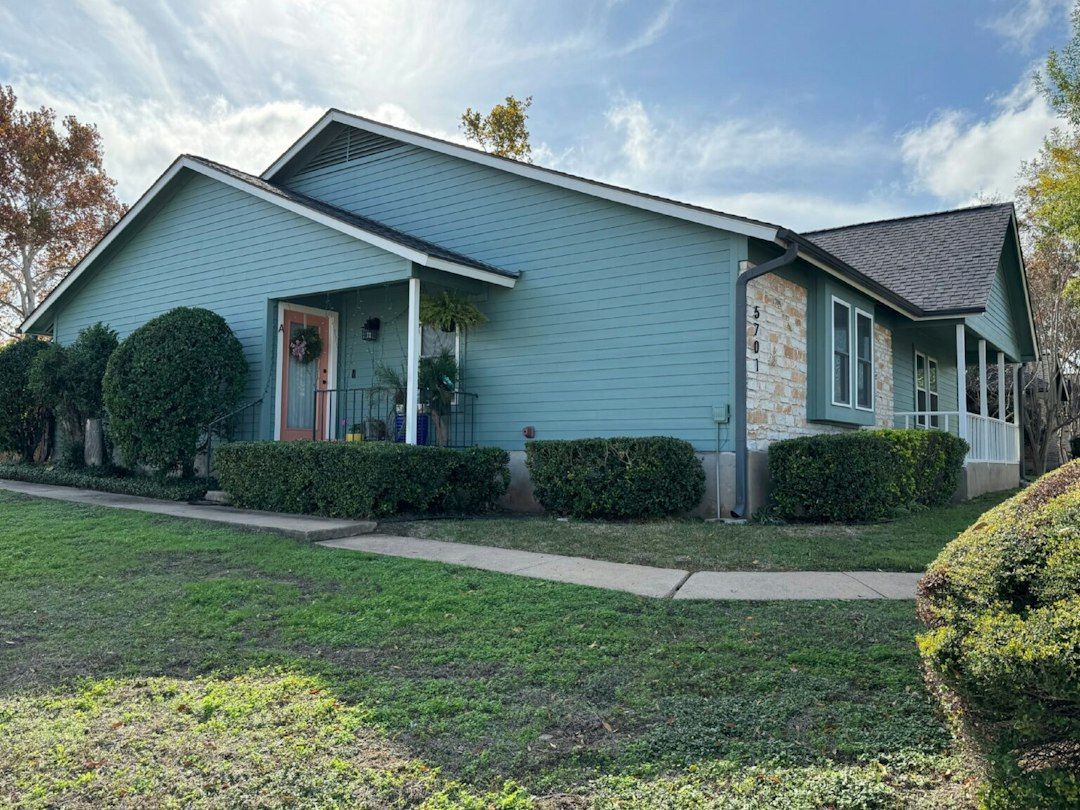
Texas continues to be one of the most dynamic real estate markets in the country. With approximately one third of the state's population living in renter-occupied housing, the opportunity for property investors is immense. Whether you own a single duplex in San Antonio or a portfolio of single-family homes across the state, rental properties are a proven path to long-term wealth. However, protecting that investment requires navigating some of the most complex and volatile weather landscapes in the United States.
At the Eigel Agency, we draw on over 30 years of combined experience serving property owners in Texas and Ohio. We have seen firsthand how easily a profitable investment can become a financial nightmare when it is backed by the wrong insurance policy. High winds, severe hailstorms, and liability claims are a reality of doing business as a landlord. Protecting your assets goes far beyond simply satisfying a lender requirement.
In this guide, we will explore exactly how rental property insurance in Texas works, what drives the costs, and how you can strategically structure your coverage to protect your real estate portfolio in 2026 and beyond.
The Reality of Rental Property Coverage in the Lone Star State
One of the most frequent and dangerous mistakes new real estate investors make is assuming their standard home policy will cover a tenant-occupied property. The moment you hand the keys to a renter and begin collecting monthly payments, your property's risk profile changes dramatically in the eyes of an insurance carrier.
A standard policy for a primary residence is typically known as an HO3. These policies are strictly designed for owner-occupied homes. If a fire or major water leak damages your rental property and the insurance adjuster discovers that a tenant was living there, your claim will almost certainly be denied due to misrepresentation of the property's use.
To properly protect a tenant-occupied home, you need a dedicated landlord policy. In the insurance industry, this is most commonly referred to as a Dwelling Fire policy. While there are basic versions available, a DP3 policy is widely considered the gold standard for landlords because it provides "open-perils" coverage. This means the structure of your home is protected against any sudden and accidental damage unless the cause is explicitly excluded in the policy language.
Understanding the mechanics of landlord insurance in Texas is the foundational step to safeguarding your equity. Unlike a homeowner who only has to worry about their own family, a landlord must account for the actions of their tenants, the loss of business income if the property becomes uninhabitable, and the heightened liability of inviting others onto the premises.
Core Components of a Strong Landlord Policy
A well-structured landlord policy is essentially a customized financial safety net. When you partner with an experienced agent to design your coverage, you will typically focus on four main pillars of protection.
First, you have Dwelling Coverage. This pays to repair or completely rebuild the physical structure of your rental home after a covered loss, such as a severe fire, a lightning strike, or a destructive hailstorm. When setting this limit, it is absolutely critical to insure the property for its full replacement cost rather than its current real estate market value. Construction materials and labor costs have surged in recent years. If your coverage limits have not been updated recently, you might find yourself severely underinsured during a total loss scenario.
Second is Premises Liability. If a tenant, a visiting guest, or a delivery driver is injured on your property and claims that your negligence caused the accident, liability coverage steps in. Whether it is a slip-and-fall on a broken concrete walkway or an injury caused by a faulty stair railing, lawsuits can easily reach into the hundreds of thousands of dollars. Liability coverage helps pay for your legal defense fees and any resulting court settlements. The liability protection on a landlord policy operates very similarly to general liability insurance for traditional commercial businesses.
Third, and perhaps the most unique benefit for investors, is Fair Rental Value or Loss of Use coverage. If a kitchen fire forces your tenants to move out while contractors spend four months repairing the home, your rental income stops. However, your mortgage, property taxes, and maintenance costs do not. Fair Rental Value coverage reimburses you for the lost rental income during that repair period, keeping your cash flow stable and preventing a natural disaster from causing a mortgage default.
Finally, you need coverage for Other Structures. Most residential rental properties include detached structures like wooden privacy fences, storage sheds, or detached garages. In Texas, fences are notoriously vulnerable to high winds, making this an essential aspect of your property protection.
Navigating Coastal and Regional Risks: The Houston Factor
The geography of Texas means that insurance needs vary wildly from one county to the next. If you are exploring options for landlord insurance in Houston, TX, you face a distinctly different set of challenges compared to an investor in the Hill Country or the Panhandle.
Houston and the surrounding Gulf Coast regions are highly exposed to catastrophic weather events. Recent history, including the devastating May 2024 derecho that brought winds exceeding 100 miles per hour to Harris County, has forced insurance carriers to rethink how they underwrite risk in this area. A standard Houston landlord insurance policy requires careful attention to windstorm exclusions and separate deductibles.
In many coastal and near-coastal counties, standard landlord policies exclude damage caused by wind and hail. To protect the property, landlords often have to purchase a separate windstorm policy through the Texas Windstorm Insurance Association or secure a specialized endorsement from a private carrier.
Furthermore, flooding is a persistent threat in the Houston metro area. It is a universal rule in property insurance that standard dwelling and home insurance policies do not cover damage caused by rising ground water or storm surge. With the frequency of heavy rainfall events increasing, relying solely on a standard landlord policy leaves a massive gap in your protection. Purchasing a separate flood insurance policy through the National Flood Insurance Program or a private flood carrier is a nonnegotiable best practice for coastal real estate investors.
2026 Insights: Understanding Premium Drivers and Deductibles
Property owners naturally want to know what to expect for their bottom line. The landlord insurance cost in Texas has experienced significant upward pressure over the last few years. According to recent 2026 industry data, the average annual premium for a landlord policy in Texas currently ranges from roughly $2,400 to over $4,000. These figures can swing substantially higher or lower depending on the exact location of the property, the age of the roof, and the overall replacement cost of the structure.
Why does landlord coverage cost more than a standard primary residence policy? The answer comes down to risk frequency. Tenant-occupied properties historically experience more water damage claims, higher fire risks, and increased liability exposure. A tenant may not notice a slow plumbing leak under a sink as quickly as a homeowner would, leading to a much larger and more expensive repair bill by the time the issue is reported.
Beyond the baseline premium, the biggest financial variable for Texas landlords is the deductible structure. In our state, it is very common for policies to feature a split deductible. You might have a flat $1,000 or $2,500 deductible for perils like fire or vandalism, but a percentage-based deductible for wind and hail damage.
A percentage deductible is calculated based on the total insured value of the dwelling, not the cost of the repair. For example, if your rental home is insured for $350,000 and your policy includes a 2 percent wind and hail deductible, your out-of-pocket responsibility for a destroyed roof would be $7,000. Understanding this math before storm season arrives is crucial for managing your business cash reserves.
How to Secure the Best Protection for Your Portfolio
Finding the best landlord insurance in Texas is not an exercise in finding the lowest possible premium. Cheap insurance is only cheap until you have a claim that gets denied. Truly exceptional coverage is about securing a contract that defends your financial interests when the worst-case scenario happens.
As you look to optimize your portfolio protection, there are several strategic steps you should take.
First, make sure your insurance policy name matches the legal entity that owns the property. Many investors move their rental homes into a Limited Liability Company for asset protection. If the deed is in the name of an LLC but the insurance policy is still in your personal name, you could face severe complications during the claims process. The named insured must always have an insurable interest in the property.
Second, pay close attention to vacancy clauses. If a tenant moves out and the property sits empty while you perform renovations or search for a new renter, your standard landlord policy might drastically limit coverage. Most carriers include a vacancy clause that strips away coverage for vandalism, glass breakage, and water damage if the home is unoccupied for more than 30 or 60 consecutive days. If you anticipate a long vacancy, you will need to switch to a specialized vacant property policy.
Third, strongly consider requiring your tenants to carry their own renters insurance. A tenant's renters policy covers their personal belongings and provides them with personal liability protection. If a tenant accidentally starts a fire in the kitchen, their renters liability coverage can pay for the damages, keeping the claim off of your landlord policy and protecting your long-term loss history.
Ultimately, navigating these nuances requires professional guidance. Requesting a landlord insurance quote in Texas through an online portal that only represents one company limits your options and your leverage. By working with an independent agency, you gain access to a team that can shop the market on your behalf, compare multiple top-rated carriers, and build a customized insurance package that aligns perfectly with your investment goals. We encourage our clients to review our business insurance solutions and our informative blog to stay ahead of changing market conditions.
Conclusion
Owning rental real estate in Texas is a powerful wealth-building strategy, but it carries undeniable exposure to severe weather and liability risks. By understanding the critical differences between homeowner and landlord policies, accounting for regional threats, and properly structuring your deductibles, you can confidently protect your cash flow and your property equity. Take the time to review your current coverage today, so you are never left paying out of pocket for a preventable oversight tomorrow.
Eigel Agency
Your rental properties are the foundation of your financial future, and protecting them should never be left to guesswork. Whether you are actively expanding your portfolio or just purchasing your very first investment property, we are here to help you navigate the complexities of the Texas real estate market. If you want coverage that truly fits your home, auto, business, or life needs, contact Eigel Agency today for a personalized insurance review. Speak with a trusted local agent and get guidance built around your goals, not just a policy. We pride ourselves on transparent advice, tailored solutions, and lasting partnerships that put your peace of mind first. Ready to secure your investments? Request an insurance quote online or reach out to our dedicated team on our contact page today to get started.