Small Business Insurance in Texas: Coverage Types, Costs, and Requirements
Texas is an economic powerhouse built on the ambition and hard work of local entrepreneurs. According to the U.S. Small Business Administration, it’s home to approximately 3.5…
The Foundation of Texas Business Success
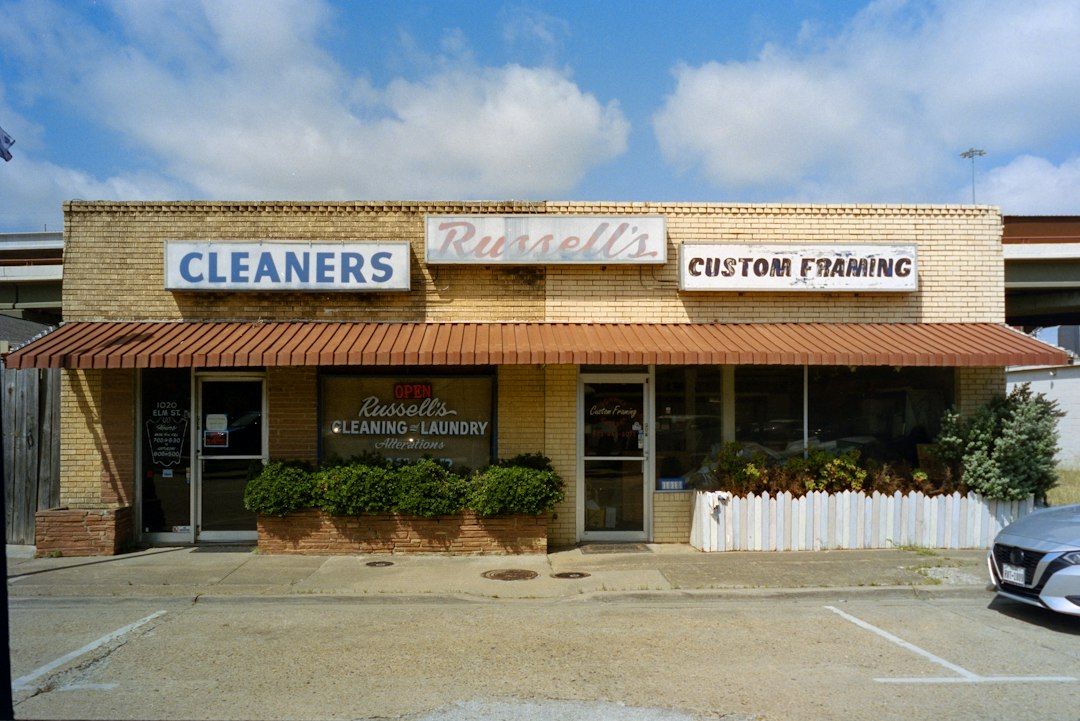
Texas is an economic powerhouse built on the ambition and hard work of local entrepreneurs. According to the U.S. Small Business Administration, Texas is home to approximately 3.5 million small businesses. These enterprises make up an astounding 99.8 percent of all businesses in the state and employ over 5 million people. From thriving contractors in San Antonio to innovative tech startups in Austin and retail shops in Houston, this vibrant entrepreneurial ecosystem requires a strong foundation of protection.
Starting and running a company comes with inherent risks. A single unexpected event, whether a severe weather incident or a costly liability claim, can threaten years of hard work. This is exactly where proper small business insurance in Texas becomes essential. Securing the right coverage is about much more than just fulfilling a contractual obligation or checking a regulatory box. It is about preserving your legacy, protecting your employees, and ensuring your doors stay open no matter what challenges arise.
At the Eigel Agency, we bring over 30 years of combined experience to the table. We understand that behind every commercial policy is a business owner who has poured their time, energy, and capital into their dream. In this comprehensive guide, we will walk you through the core coverage types available, detail the average small business insurance costs in Texas, and explain the specific requirements you need to know to operate securely.
Why Small Business Commercial Insurance in Texas Matters
Operating in the Lone Star State offers incredible opportunities. We enjoy a business-friendly regulatory environment, a rapidly growing population, and no state income tax. However, the same factors that make Texas attractive also create a highly competitive and complex risk landscape. High property values, localized severe weather threats, and the everyday realities of commercial liability mean that operating without a safety net is a massive gamble.
Small business commercial insurance in Texas is designed to absorb the financial shock of unexpected catastrophes. Without it, a business is forced to pay for legal defense, property repair, and medical settlements directly out of its operating capital. For many small to medium-sized businesses, a single mid-sized claim is enough to force bankruptcy.
Beyond defense, insurance is a critical tool for growth. If you want to lease a commercial office or retail space, your landlord will almost certainly require proof of liability insurance. If you plan to bid on municipal projects or sign lucrative contracts with larger corporations, providing a certificate of insurance is the first step in the negotiation process. Proper coverage demonstrates to your clients, partners, and employees that you run a professional, secure operation.
We firmly believe in personalized service and transparency. Off-the-shelf policies rarely provide the exact protection a unique business needs. Customizing your coverage ensures that you are neither paying for unnecessary extras nor leaving dangerous gaps in your protection plan.
Core Coverage Types for Texas Businesses
Building a robust insurance portfolio requires understanding the distinct types of policies available. Every business has a unique risk profile, but most foundations are built on a few critical pillars.
General Liability Insurance
Often the very first policy a new business purchases, general liability insurance protects your company from the most common third-party claims. This policy generally covers three main areas: bodily injury, property damage, and personal or advertising injury.
If a customer visits your storefront and slips on a wet floor, resulting in a broken arm, your general liability policy steps in to cover their medical bills and your legal defense if they decide to sue. Similarly, if your employee is working at a client's home and accidentally damages an expensive piece of furniture, this coverage pays for the repair or replacement. It even extends to advertising injuries, such as a competitor claiming your new marketing campaign infringes on their copyright.
Business Owners Policy (BOP)
For many small and medium-sized operations, purchasing policies individually is not the most efficient strategy. A Business Owners Policy, commonly known as a BOP, is a highly cost-effective package that bundles general liability insurance with commercial property insurance.
The commercial property portion of a BOP protects the physical assets of your business. This includes your building (if you own it), your equipment, your inventory, and your office furniture. Whether a fire damages your warehouse or a severe storm breaks your storefront windows, property coverage ensures you have the funds to rebuild and replace your assets.
One of the most valuable components often included in a BOP is business interruption insurance. If a covered disaster forces you to temporarily close your doors, business interruption coverage replaces your lost income and helps you pay ongoing expenses, such as payroll and rent, while you recover.
Workers' Compensation Insurance
When it comes to Texas small business insurance requirements, the state stands out as highly unique. Texas is the only state in the country that does not mandate private employers to carry workers' comp insurance. Businesses that opt out are referred to as "non-subscribers."
While opting out might seem like a quick way to save money, it is widely considered a dangerous strategy. If a non-subscriber's employee is injured on the job and decides to sue the business, the employer loses critical common-law defenses in court. Specifically, the business owner cannot argue that the employee's own negligence contributed to the injury. This leaves the business entirely exposed to massive, ruinous legal judgments.
Carrying workers' compensation not only covers an injured employee's medical expenses and a portion of their lost wages, but it also provides a vital legal shield for the business owner. It creates an exclusive remedy, meaning the employee generally cannot sue the business for the injury once they accept workers' comp benefits. Furthermore, many commercial clients require their vendors to carry workers' comp before they will sign a contract.
Commercial Auto Insurance
Many business owners mistakenly assume their personal auto insurance will cover them while they are working. This is a dangerous misconception. If you or your employees use a vehicle for business purposes, such as delivering goods, driving to a construction site, or transporting specialized equipment, a standard personal auto policy will typically deny any claims that occur while on the clock.
Commercial auto insurance provides the necessary liability and physical damage protection for vehicles owned, leased, or used by your business. Whether you have a single delivery van or an entire fleet of service trucks, commercial auto coverage ensures that a traffic accident does not become a major financial setback for your company.
Professional Liability Insurance
Also known as Errors and Omissions (E&O) insurance, professional liability is crucial for businesses that provide specialized services or advice. If you are a consultant, an accountant, an architect, or a real estate agent, your clients rely on your expertise. If you make a mistake, miss a deadline, or provide advice that causes a client to suffer a financial loss, they can sue your business for damages. Professional liability coverage pays for your legal defense and any resulting settlements, protecting your firm's reputation and financial stability.
Understanding Small Business Insurance Costs in Texas
One of the most frequent questions we receive is how to accurately budget for commercial coverage. While small business insurance costs in Texas vary widely based on individual circumstances, recent industry data gives a helpful baseline for what business owners can expect in 2026.
For a standard policy, average monthly premiums generally look like this:
- General Liability: Costs usually range between $40 and $125 per month.
- Business Owners Policy (BOP): A standard BOP typically averages between $70 and $100 per month, though businesses with significant property assets will pay more.
- Workers' Compensation: This cost is highly variable because it is based strictly on your industry class codes and your total payroll. Office workers might cost a few cents per hundred dollars of payroll, while roofing contractors face significantly higher rates due to the physical dangers of the job. It is important to understand how insurance underwriters determine these prices. Several key factors directly influence your final premium:
- Industry Risk Level: The nature of your daily operations is the single largest pricing factor. A digital marketing agency faces far fewer physical risks than a commercial plumbing company, and their premiums will reflect that difference.
- Business Location: Where you operate matters. A business located near the Gulf Coast will see higher commercial property rates due to hurricane threats, while a business in a densely populated urban center might face slightly higher liability rates due to heavy foot traffic and crime risks.
- Annual Revenue and Payroll: A higher revenue stream usually indicates a larger customer base, which naturally increases the statistical probability of a liability claim. Similarly, higher payroll means more employees, which directly impacts workers' compensation costs.
- Claims History: Just like personal insurance, your commercial claims history follows you. A business with a clean record demonstrating a commitment to safety will earn much more favorable rates than a business with frequent past claims.
- Coverage Limits and Deductibles: Choosing higher policy limits will increase your premium, as the insurer is taking on more potential financial responsibility. Conversely, agreeing to a higher deductible can lower your monthly premium, provided you keep enough cash in reserve to comfortably pay that deductible in the event of a claim.
Common Mistakes When Purchasing Commercial Coverage
Navigating the commercial insurance landscape can be complex, and a simple oversight can have lasting consequences. Based on our extensive experience guiding local businesses, here are a few common pitfalls to avoid.
Underinsuring Property Values
In recent years, inflation and supply chain shifts have significantly increased the costs of construction materials and labor. If you set your commercial property limits five years ago and have not updated them, you are likely underinsured. If a fire destroys your building today, an outdated policy limit will not provide enough funds to rebuild at current market prices. We highly recommend reviewing your property limits annually to keep pace with inflation.
Assuming an LLC Protects Everything
Many entrepreneurs form a Limited Liability Company (LLC) or a corporation under the assumption that it completely shields their personal assets from business lawsuits. While an LLC provides a vital layer of legal separation, it is not foolproof. A motivated plaintiff can sometimes "pierce the corporate veil," especially if they can prove the owner was personally negligent. Commercial insurance acts as the true financial wall that pays the legal bills so your personal assets remain untouched.
Choosing Actual Cash Value Over Replacement Cost
When setting up a commercial property policy, you will generally have to choose between "Actual Cash Value" and "Replacement Cost" coverage. Actual cash value factors in depreciation. If your ten-year-old specialized machinery is destroyed, the insurer will only pay what a ten-year-old machine is worth today, which is rarely enough to buy a brand-new replacement. Replacement cost coverage, while slightly more expensive upfront, pays the true cost to buy a new, equivalent item at today's prices. For most businesses, replacement cost is the far safer choice.
How to Find the Best Small Business Insurance in Texas
Finding the best small business insurance in Texas involves looking beyond the lowest initial price quote. A cut-rate policy might look appealing on a spreadsheet, but it often achieves that low price by excluding the exact specific scenarios your business is most likely to face. The true value of an insurance policy is tested on the worst day of your professional life, and you need to know your coverage will hold up.
This is why working with a dedicated, local insurance partner is so critical. National, direct-to-consumer online portals can issue a basic policy quickly, but they rarely ask the nuanced, in-depth questions required to identify hidden risks in your specific business model.
Regional nuances play a major role in commercial risk. Whether you are opening a new office and need reliable small business insurance in Dallas, expanding operations and looking for tailored small business insurance in Dallas, TX, or searching for highly specific small business insurance near the 77450 zip code in the Katy area, localized knowledge matters. A local agent understands the specific weather threats, municipal contractual requirements, and legal climate of your operating region.
At the Eigel Agency, our core values shape everything we do. We prioritize relationship building and integrity over simple transactions. When you partner with us, we take the time to review your commercial leases, analyze your vendor contracts, and deeply understand your operational flow. This meticulous approach allows us to design customized solutions tailored strictly to your unique situation. We guide you through life's uncertainties with expertise and care so that you can feel confident, valued, and completely protected.
A Five-Step Checklist for Evaluating Your Coverage Needs
If you are unsure where your current insurance program stands, taking a systematic approach can clarify your needs. We recommend walking through this simple evaluation:
- Review Your Physical Footprint: Do you own your building, or do you lease? If you lease, read the insurance clause in your rental agreement carefully to see exactly what limits your landlord requires you to carry.
- Analyze Your Workforce: Do you have full-time W2 employees, or do you rely on independent contractors? This distinction drastically changes your workers' compensation and liability exposures.
- Examine Your Client Contracts: Large clients often have strict insurance requirements. Make sure your current liability limits meet or exceed the demands of the contracts you hope to sign in the coming year.
- Assess Your Digital Risk: If your business stores sensitive customer data, payment information, or employee social security numbers, standard policies will not cover a data breach. You will need to explore dedicated cyber liability coverage.
- Schedule an Annual Review: Businesses evolve rapidly. Buying new equipment, hiring more staff, or expanding your service area changes your risk profile. Meet with your insurance agent once a year to ensure your coverage is evolving right alongside your company.
Protecting Your Future and Maximizing Growth
Securing the right commercial insurance is a pivotal step in the lifecycle of any successful enterprise. It transforms unpredictable risks into manageable, predictable expenses. From navigating the complexities of Texas small business insurance requirements to finding the perfect balance between robust property coverage and affordable liability limits, having a seasoned professional in your corner is an invaluable asset.
Texas will continue to be a premier destination for business growth and innovation. By taking a proactive, educated approach to your commercial risk management, you position your company to weather any storm, outlast your competition, and thrive for decades to come. Protect the legacy you are building by ensuring every operational vulnerability is met with a strong, customized defense.
Eigel Agency
If you want coverage that truly fits your home, auto, business, or life needs, contact Eigel Agency today for a personalized insurance review. Speak with a trusted local agent and get guidance built around your goals, not just a policy. We understand that your business is your livelihood, and our dedicated team is here to provide the transparent, client-focused partnership you deserve. Whether you are re-evaluating your current commercial limits or launching a brand new venture in the Texas market, we have the specialized expertise to build a custom safety net for your operations. Visit us online to request your customized insurance quote and discover the peace of mind that comes from working with a true insurance partner.